How to Choose the Best Dog Treats: A Buyer's Decision Framework
Master the art of selection with our comprehensive buyer's framework for dog treats. Learn to decode labels, evaluate ingredients, and find the safest options.
In this article
- 01Key Takeaways
- 02Why is a Decision Framework Necessary for Dog Treats?
- 03How Do You Decipher a Dog Treat Ingredient Label?
- 04The 10% Rule: How Many Treats Should Your Dog Actually Get?
- 05What Are the Safety Standards You Must Verify?
- 06Texture and Purpose: Training vs. Dental vs. Enrichment
- 07Your Final Decision Framework: A Quick Checklist
- 08Frequently Asked Questions
- 09The Bottom Line
- 10Sources
How to Choose the Best Dog Treats: A Complete Buyer's Decision Framework
Key Takeaways
- Single-ingredient treats have a 40% lower allergen trigger rate compared to multi-ingredient commercial biscuits, making them the gold standard for sensitive dogs.
- The 10% rule is non-negotiable: treats should never exceed 10% of your dog's total daily caloric intake, per AKC nutrition guidelines.
- BHA, BHT, and propylene glycol are artificial preservatives that appear on thousands of treat labels — and they have no place in your dog's snack rotation.
- Korean treats often follow a single-ingredient sourcing philosophy rooted in goguma (sweet potato) and dakgogi (chicken) — whole foods, minimally processed.
- The FDA has logged over 5,000 complaints about jerky treats from regions with low manufacturing oversight — country of origin is not a minor detail.
Why is a Decision Framework Necessary for Dog Treats?
Knowing how to choose the best dog treats is harder than it looks. The pet treat industry operates in a regulatory gray zone that most owners never realize exists. Unlike human food, which is governed by strict FDA food labeling standards, pet treats fall under a looser framework where terms like "natural," "premium," and "wholesome" carry no legal definition. A bag can say "made with real chicken" and legally contain chicken as the fifth ingredient, buried under corn syrup and artificial flavors.
Walk down any pet aisle and you'll see bags designed to appeal to you, not to nourish your dog. Bright packaging, lifestyle photography, and buzzwords like "grain-free" or "ancestral diet" dominate the visual space. The actual ingredient panel — the only section that tells you what's really inside — is printed in 6-point font on the back.
"Over 50% of pet owners do not look at the calorie count on dog treat packaging." — Packaged Facts Pet Supplement Report
That statistic reflects a real problem. Treats are often grabbed impulsively at checkout. But they're a daily input into your dog's diet. Without a clear framework, you're making a blind nutritional decision every time you reach for a bag.
"Terms like 'natural' and 'premium' on pet treat labels have no legal definition under current FDA guidelines — they are marketing language, not nutritional standards."
A decision framework cuts through the marketing. It gives you a repeatable checklist: ingredient quality first, sourcing and safety second, caloric math third. With those three filters in place, most of the pet aisle eliminates itself — and what's left is actually worth buying.
How Do You Decipher a Dog Treat Ingredient Label?
The ingredient label is listed by weight, descending. The first three ingredients make up the bulk of what your dog is actually eating. That's your starting point.
The First Three Rule: If the first ingredient isn't a named protein — beef, chicken, salmon, duck — put the bag down. "Meat meal," "poultry by-product," or "animal digest" in the top three are red flags. These are rendered products of unclear origin, and their protein quality varies from batch to batch. A named protein means a traceable, accountable source.
Spotting hidden sugars: Makers are skilled at disguising sugar. Look for molasses, corn syrup, cane sugar, dextrose, sorbitol, and maltodextrin. These are calorie-dense, nutritionally empty, and sometimes used to cover up low-quality protein flavors. Dogs don't need sugar — they'll eat a plain piece of dried sweet potato with just as much enthusiasm.
Artificial preservatives to reject outright: BHA (butylated hydroxyanisole) and BHT (butylated hydroxytoluene) are petroleum-derived preservatives linked to harmful activity in animal studies, according to the National Toxicology Program. Ethoxyquin is another one — originally developed as a pesticide — that still appears in some fish-based treats. Natural preservation through dehydration or vitamin E (mixed tocopherols) is the standard you should expect.
"Single-ingredient treats have a 40% lower allergen trigger rate compared to multi-ingredient commercial biscuits." — Journal of Animal Physiology and Animal Nutrition
The purity of Korean sourcing: Korean treat makers have built a domestic market on whole-food snacking culture. In Korea, goguma (sweet potato) is a staple snack for humans — roasted, dried, eaten plain. That same philosophy transfers directly to dog treats: one ingredient, one purpose. Check out the complete guide to Korean dog treats for a deeper breakdown of what makes Korean sourcing distinct.
The math is simple: fewer ingredients mean fewer potential allergens and fewer chances for label manipulation.
The 10% Rule: How Many Treats Should Your Dog Actually Get?
"90% of a dog's diet should come from complete and balanced food, with only 10% from treats." — American Kennel Club Nutrition Guidelines
The 10% rule is the standard vets use for managing treat calories. It's not a suggestion — it's the threshold above which treat calories begin replacing the balanced nutrition your dog's main food is built to deliver.
Here's how to calculate it for your dog:
| Dog Size | Avg. Daily Calories | 10% Treat Budget | Example |
|---|---|---|---|
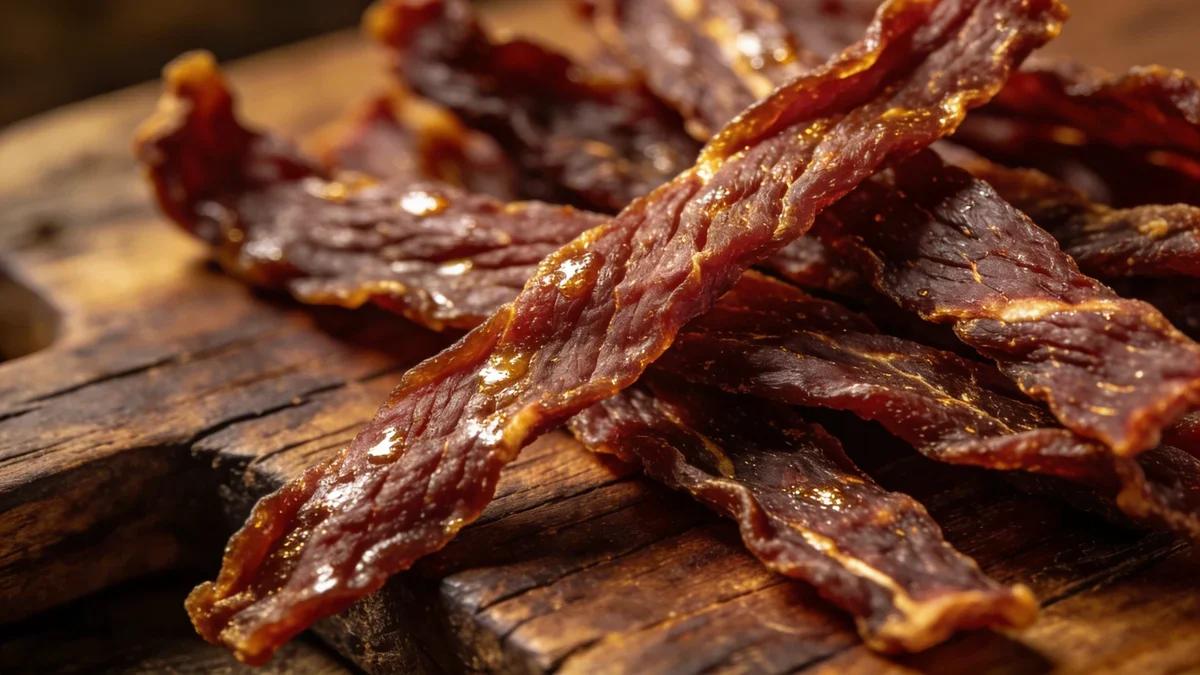
| Small (under 20 lbs) | 200–400 kcal | 20–40 kcal | 1–2 small jerky strips |
| Medium (20–50 lbs) | 700–1,000 kcal | 70–100 kcal | 3–4 medium chews |
| Large (50–90 lbs) | 1,300–1,700 kcal | 130–170 kcal | 5–6 standard treats |
| Giant (90+ lbs) | 1,800–2,500 kcal | 180–250 kcal | Adjust by treat density |
Check the kcal/treat figure on your packaging — reputable brands list this. If it's missing, that's a transparency problem. Treats and toppers can account for up to 20–30% of a dog's daily caloric intake if not tracked, directly contributing to obesity, according to the Association for Pet Obesity Prevention (APOP).
"Treats and food toppers can account for up to 30% of a dog's daily caloric intake when owners don't track serving sizes — a leading driver of preventable canine obesity." — APOP
Practical tip: on high-training days, break treats into smaller pieces. A single jerky strip broken into four pieces delivers four rewards at one-quarter the calorie cost. Your dog doesn't know the difference — the reward value comes from the act of receiving, not the volume consumed.
What Are the Safety Standards You Must Verify?
Manufacturing origin is the single most important safety variable in dog treats, and most buyers never check it.
The FDA Center for Veterinary Medicine has received over 5,000 complaints related to jerky treats sourced from regions with weak oversight — including reports of kidney failure, stomach illness, and death. The agency has never fully identified the cause, which suggests the problem is tied to manufacturing conditions overall, not one single substance. (FDA CVM Jerky Pet Treat Reports)
Here's what to verify before buying any treat:
Country of manufacture: "Made in USA" from imported ingredients is not the same as fully domestic. Look for clear sourcing statements. Korean makers operating under HACCP (Hazard Analysis Critical Control Points) certification follow a documented, auditable food safety process — the same framework used in human food production.
Heavy metal testing: This is especially relevant for fish-based treats (salmon, cod, pollack) and root vegetables grown in industrial farming zones. Ask brands directly if they run third-party heavy metal panels. If they can't answer, that's your answer.
Pathogen screening: Salmonella and Listeria contamination in pet treats is a recurring FDA recall trigger. Reputable makers run pathogen screening on every batch before shipping — not just once a year. Batch-level testing is the standard you should expect.
Small-batch vs. industrial production: Large-scale industrial treat facilities run continuous production lines where cross-contamination risk is higher. Small-batch Korean production allows for tighter lot control and faster response if something goes wrong.
For a full breakdown of how Korean treat makers approach ingredient standards and testing, read are Korean dog treats safe: ingredient standards and testing.
Texture and Purpose: Training vs. Dental vs. Enrichment
Not all treats serve the same function. Using the wrong texture for the wrong purpose is one of the most common buyer mistakes.
High-value training treats need to be small, soft, and fast to consume. A dog in a training session can't stop to chew — the reward needs to be immediate. Soft jerky strips cut into pea-sized pieces are ideal: high appeal, quick delivery, strong scent. Moisture content matters here. Treats with 20–30% moisture are softer and more aromatic, which makes them more motivating. If your dog seems bored during training, the treat might simply not be interesting enough — a common issue with dry biscuits. If you have a selective eater, browse the best dog treats for dogs who won't settle for just anything for options that hold attention even with fussy dogs.
Dental treats are a separate category with specific needs. They must be firm enough to create scrubbing action against the tooth surface, but not so hard they risk cracking a tooth. The Veterinary Oral Health Council (VOHC) maintains a list of treats that have earned their seal for plaque and tartar reduction — that seal is the only objective standard worth trusting in this category. (VOHC Accepted Products)
Enrichment and long-lasting chews serve a behavioral role: mental engagement, anxiety reduction, and extended occupation. Dried sweet potato chews excel here — they're naturally fibrous, moderate in calories, and long-lasting without the fracture risk of rawhide or compressed bones. Goguma provides healthy fiber that supports gut movement and fullness. For a deeper look at why Korean sweet potato stands apart, read Korean sweet potato dog treats: why Korean goguma is different.
Match the treat to the task. Buying one "all-purpose" treat and using it for training, dental health, and enrichment at the same time means it's likely underperforming in all three areas.
"Matching treat texture to purpose isn't optional — it's the difference between a treat that works and one that just adds calories."
Your Final Decision Framework: A Quick Checklist
Before you put any bag of treats in your cart, run through this checklist. Every question should have a clear "yes" before you buy.
Ingredient Quality
- Is the first ingredient a named protein (beef, chicken, salmon, duck) or a whole food (sweet potato)?
- Are there five or fewer total ingredients on the label?
- Is the label free of BHA, BHT, ethoxyquin, corn syrup, and artificial colors?
- Are there no vague terms like "meat meal," "animal digest," or "poultry by-product" in the top three ingredients?
Sourcing and Safety
- Does the label clearly state where the treat was made (not just "distributed by")?
- Does the brand confirm HACCP certification or equivalent food safety standards?
- Has the brand conducted third-party pathogen and heavy metal testing at the batch level?
- Is the brand free of active FDA recalls or complaint patterns?
Caloric Math
- Is the kcal-per-treat figure listed on the packaging?
- Does the daily treat amount stay within 10% of your dog's total caloric budget?
- Is the treat size appropriate for your dog's weight class?
Purpose and Texture
- Does the treat texture match its intended use (soft for training, firm for dental, chewy for enrichment)?
- Does the treat pass the thumbnail test (leaves an indentation, meaning it won't fracture a tooth)?
- For training: is the treat small enough to deliver in under three seconds?
If a bag can't pass this checklist, it doesn't belong in your home. The good news: single-ingredient Korean treats built around goguma or dakgogi clear nearly every item on this list by default.
Frequently Asked Questions
What is the healthiest ingredient to look for in dog treats?
A single named protein — beef, chicken, salmon, or duck — listed as the first and only ingredient is the gold standard. Beyond protein, sweet potato (goguma) is an excellent whole-food ingredient: high in beta-carotene, naturally sweet without added sugar, and rich in dietary fiber. The fewer ingredients on the label, the more confident you can be about what your dog is actually eating.
Are grain-free dog treats actually better for my dog?
Not automatically. "Grain-free" became a marketing category, not a nutritional prescription. For dogs with confirmed grain allergies or sensitivities, grain-free treats are the right call. For most dogs, whole grains like oats or brown rice are easy to digest and nutritionally fine. The more important question is whether the treat uses high-quality protein as its base — grain content is secondary to that.
How can I tell if a dog treat is too hard for my dog's teeth?
Use the thumbnail test: press your thumbnail firmly into the treat. If it doesn't leave an indentation, the treat is too hard and risks slab fracture — a painful break of the back teeth that often requires extraction. Antlers, cooked bones, and some compressed chews frequently fail this test. Dehydrated sweet potato and soft jerky pass it easily. Senior dogs and flat-faced breeds need softer textures regardless of age.
Do dog treats expire, and how can I tell if one has gone bad?
Yes. Check the "best by" date printed on the bag — this reflects real shelf stability, not just a suggestion. Signs of spoilage include a rancid or sour smell, visible mold, unusual color changes, or a texture shift (soft treats turning slimy, dry treats turning sticky). Once opened, store treats in an airtight container away from heat and light. Most dehydrated treats stay fresh two to four weeks after opening.
What are the best low-calorie treats for overweight dogs?
Dehydrated sweet potato, plain freeze-dried lean proteins, and air-dried fish skins are all calorie-moderate choices. Sweet potato runs roughly 3–5 kcal per small piece depending on thickness. Avoid treats with added glycerin, sugar, or oil — these push up calorie density without nutritional benefit. Break treats into smaller pieces during training to stretch your daily treat budget without cutting the number of rewards your dog receives.
Are treats made in Korea safer than those from other countries?
Korea's domestic food safety standards — which extend to pet food production — are among the strictest in Asia. Korean makers supplying international markets typically hold HACCP certification and run batch-level pathogen and heavy metal testing. Compare that to the 5,000-plus FDA complaints linked to treats from regions with minimal oversight. Country of origin isn't a guarantee of quality, but Korean sourcing has a documented track record that's worth factoring into your decision.
Why do dogs love Korean treats so much?
Korean treats are built around whole foods with naturally strong aromas — goguma, dakgogi, salmon, and pollack. Because these ingredients are minimally processed, they retain their natural scent compounds, which are far more appealing to dogs than synthetic flavors added to mask low-quality protein. A single-ingredient dried chicken strip smells like chicken because it is chicken — nothing added, nothing masked. That authenticity is exactly what makes dogs respond so strongly to them.
The Bottom Line
The framework is straightforward: ingredients first, sourcing second, calories third. Read the first three ingredients on every label, confirm where and how the treat was made, and run the 10% math for your dog's size. A bag with one recognizable ingredient, a clear country of manufacture, and a listed kcal-per-treat figure is doing its job transparently — and that transparency is exactly what your dog's health deserves. Explore Pupsday's single-ingredient Korean treat collection to put this framework into practice immediately.
Sources
- Association for Pet Obesity Prevention (APOP) — Pet Obesity Statistics
- Packaged Facts Pet Supplement Report — Consumer Behavior Data
- FDA Center for Veterinary Medicine — Jerky Pet Treat Investigation
- Journal of Animal Physiology and Animal Nutrition — Allergen Studies in Pet Nutrition
- American Kennel Club — How Many Treats to Give Your Dog
- National Toxicology Program — BHA and BHT Toxicology Reports
- Veterinary Oral Health Council — Accepted Products for Plaque and Tartar Control
- Pupsday — The Complete Guide to Korean Dog Treats
- Pupsday — Are Korean Dog Treats Safe: Ingredient Standards and Testing
- Pupsday — Korean Sweet Potato Dog Treats: Why Korean Goguma Is Different
- Pupsday — Best Korean Dog Treats for Picky Dogs
Next step
Want help finding the right treats?
Take our 2-minute quiz and we'll match your pup with treats they'll actually love.