The Complete Guide to Korean Dog Treats: Ingredients, Benefits & What to Know
Discover the best Korean dog treats! Our guide covers ingredients, health benefits, safety, and what makes them special. Plus, Korean dog treat brands!
In this article
- 01Key Takeaways
- 02What Makes Korean Dog Treats Different From American Ones?
- 03What Are the Measurable Health Benefits of Korean Dog Treats?
- 04What Ingredients Should I Look For in Korean Dog Treats?
- 05What Ingredients Should I Avoid in Dog Treats?
- 06How Do I Choose the Right Korean Dog Treat for My Dog?
- 07Are Korean Dog Treats Safe? Risks and How to Prevent Them
- 08Frequently Asked Questions
- 09The Bottom Line
- 10Sources
The Complete Guide to Korean Dog Treats: Ingredients, Benefits & What to Know
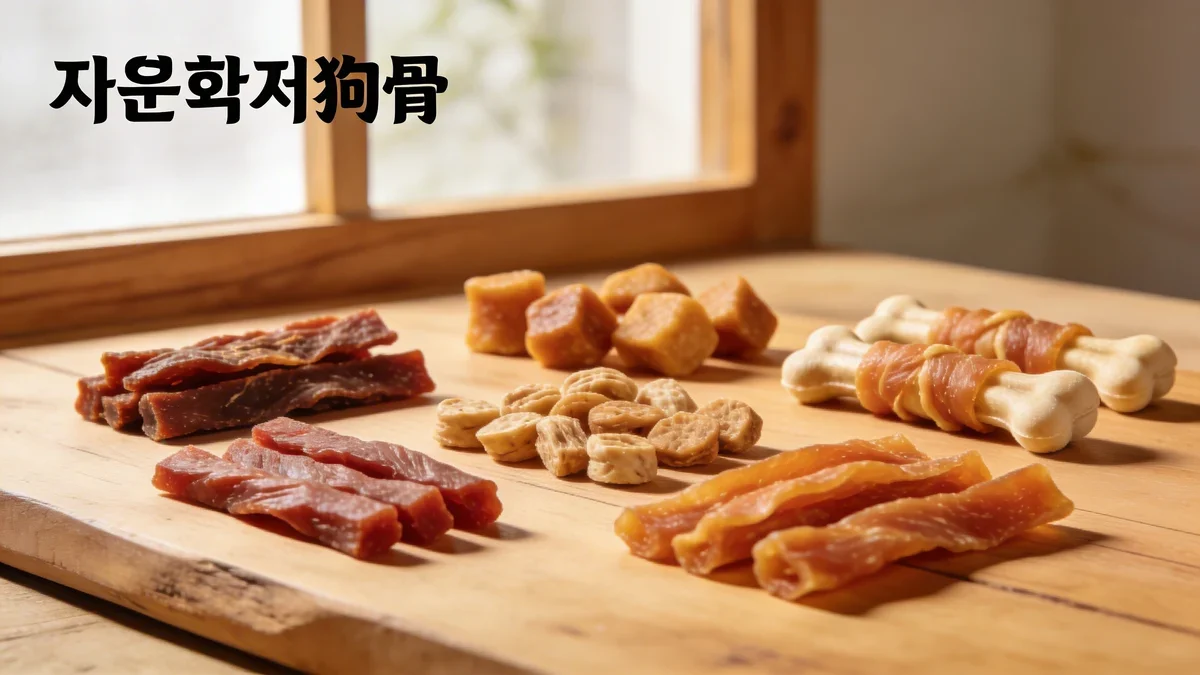
Key Takeaways
- Korean dog treats emphasize single-ingredient, minimally processed formulations—most contain 85%+ protein with no artificial additives or glycerin fillers
- Sweet potato (goguma) treats deliver 14,187 IU of vitamin A per 100g—3x more beta-carotene than white potatoes—supporting vision, immune function, and skin health
- According to the American Pet Products Association, 78% of dog owners give treats daily, making ingredient quality one of the most consequential daily decisions you make for your dog
- Common allergens like beef, dairy, and wheat account for 60% of food allergies in dogs, making Korean single-ingredient treats ideal for elimination diets
- Korean treat manufacturers prioritize human-grade facilities and HACCP certification—standards that exceed typical U.S. pet food regulations
What Makes Korean Dog Treats Different From American Ones?

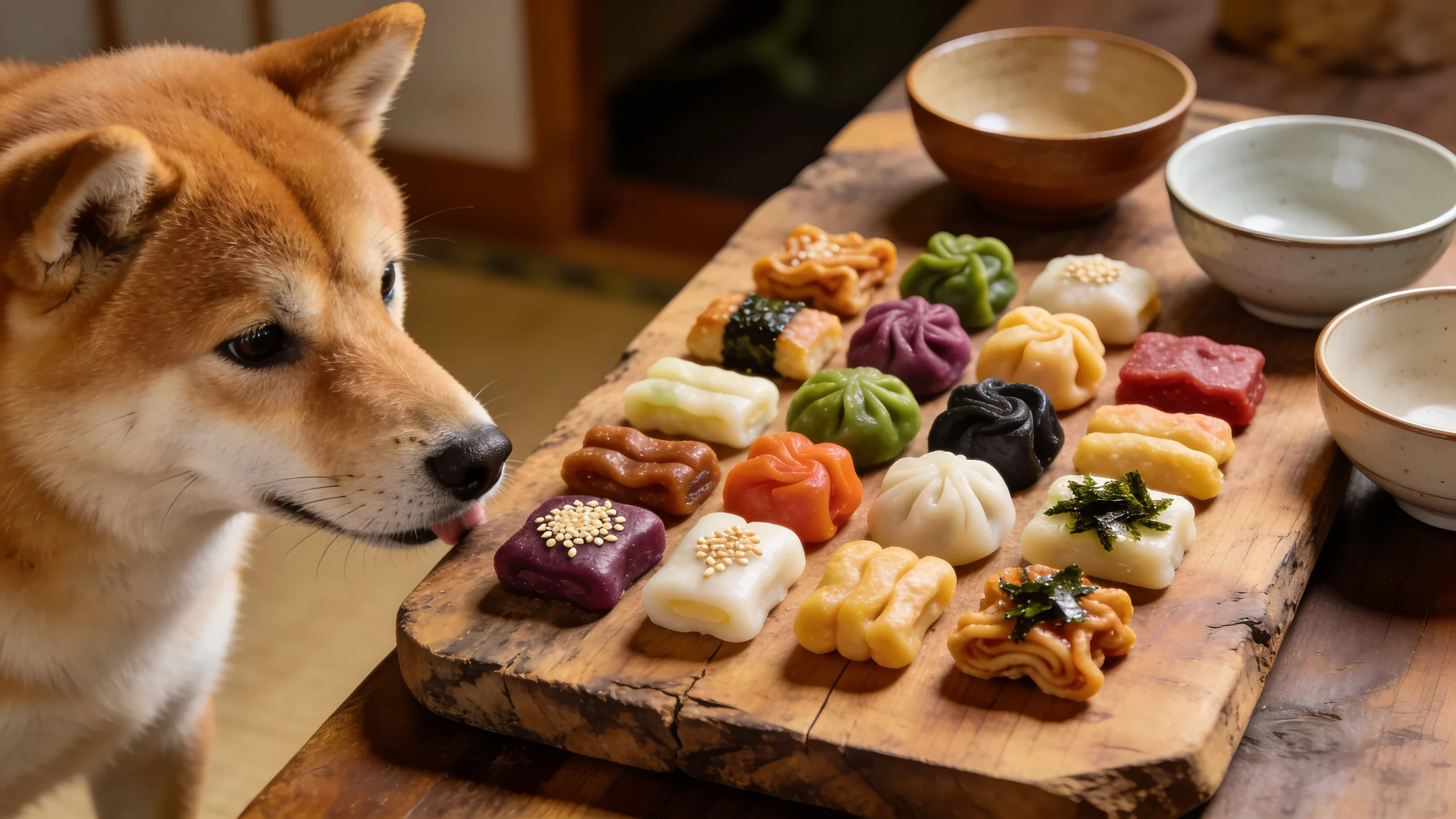
Korean dog treats aren't an import trend. They're the product of a food culture that treats ingredient purity as a baseline expectation, not a premium feature. In Korea, banchan (side dishes) are made fresh daily from whole ingredients. That same philosophy carries into pet treat manufacturing.
American treat manufacturers routinely use meat meals, by-products, and binding agents like glycerin to cut costs and extend shelf life. Korean producers default to whole-food ingredients: sweet potato slices that are actually sliced sweet potatoes, chicken jerky that is chicken breast and nothing else. The difference shows up on the ingredient label immediately.
Three principles define authentic Korean treat formulation: single-ingredient transparency, low-temperature air-drying or dehydration, and zero unnecessary additives. You won't find propylene glycol, BHA, or artificial colors in treats made to Korean food-grade standards. According to Tufts University Cummings School of Veterinary Medicine, fewer ingredients make allergen identification significantly easier—a practical advantage for dogs with sensitivities.
Pupsday's sourcing model reflects this directly. Founder Brian Cho's Korean-American background provides access to vetted Korean suppliers who've been producing human snacks for decades and apply identical standards to dog treats. That means HACCP-certified facilities, regular third-party inspections, and ingredient traceability that most U.S. treat brands can't offer.
What Are the Measurable Health Benefits of Korean Dog Treats?
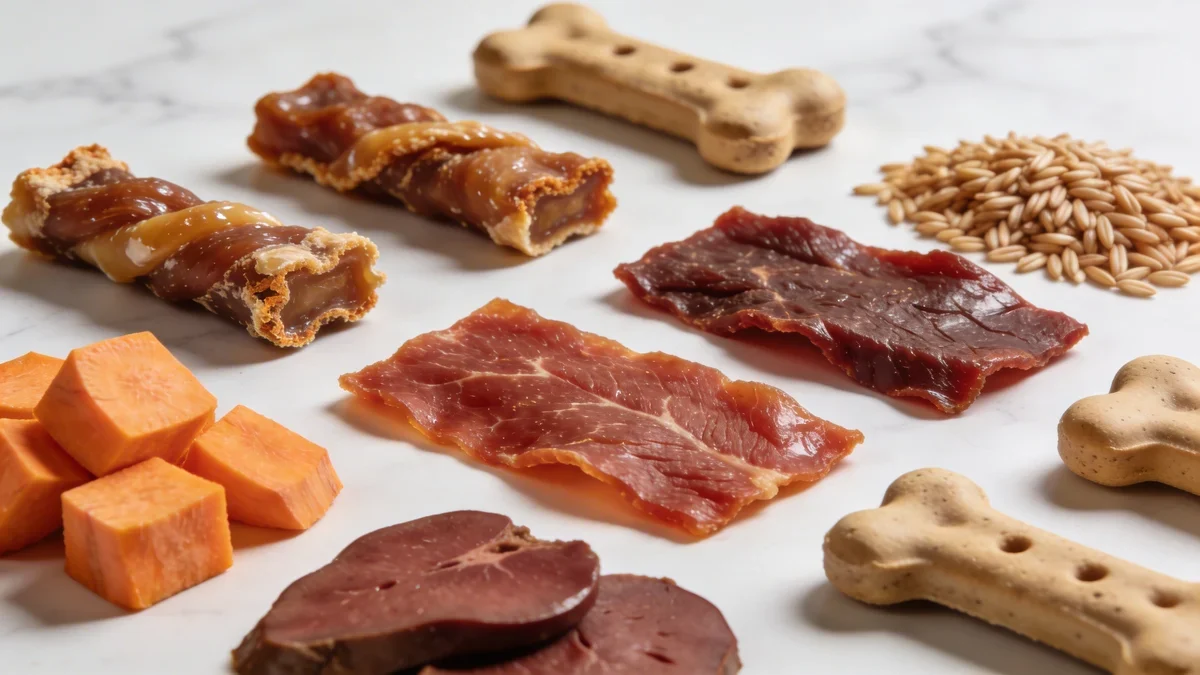
The nutritional case for Korean dog treats starts with goguma. According to USDA FoodData Central, sweet potatoes contain 14,187 IU of vitamin A per 100g. Beta-carotene converts to vitamin A in your dog's body, supporting vision, immune response, and skin cell regeneration. The 4g of fiber per 100g promotes healthy digestion and sustained satiety.
Fish-based Korean treats—particularly pollack skin and cod skin—deliver omega-3 fatty acids that reduce systemic inflammation and support coat health. Research published in Veterinary Dermatology found that dogs supplemented with omega-3s showed a 42% improvement in skin condition scores over 12 weeks. Korean pollack skin treats contain approximately 2.5g of omega-3s per 100g—that's a functional treat, not empty calories.
Korean pollack skin treats contain approximately 2.5g of omega-3 fatty acids per 100g, producing a 42% improvement in skin condition scores over 12 weeks in supplemented dogs. (Veterinary Dermatology)
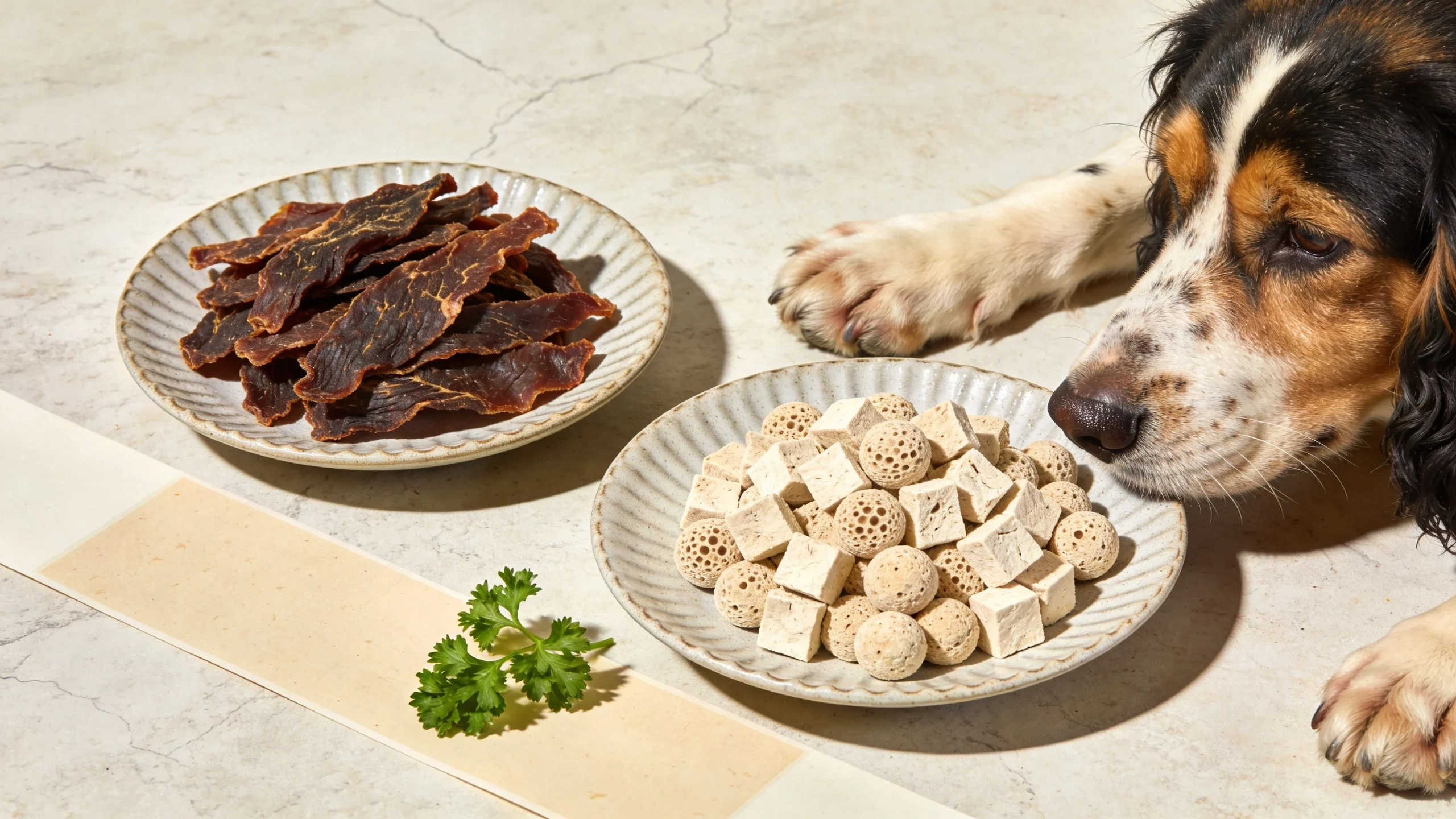
Korean chicken breast treats typically hit 85%+ protein with less than 5% fat. That high protein-to-fat ratio makes them ideal training rewards—you can give multiple pieces without blowing your dog's daily calorie budget. The American Kennel Club recommends treats stay under 10% of total daily calories, and lean Korean chicken treats fit precisely within that guideline.
Beef liver rounds out the nutrient profile. It contains 16,814 IU of vitamin A per 100g alongside high concentrations of B vitamins, iron, and zinc—nutrients that support energy metabolism and immune function. For senior dogs or dogs recovering from illness, liver treats deliver concentrated nutrition in small portions.
Here's how the core Korean treat ingredients stack up nutritionally:
| Treat Ingredient | Protein (per 100g) | Key Nutrient | Calories (per oz) |
|---|---|---|---|
| Chicken Breast Jerky | 85%+ | Lean amino acids | ~95 cal |
| Sweet Potato (Goguma) | 2g | 14,187 IU Vitamin A | ~80 cal |
| Pollack Skin | 70%+ | 2.5g Omega-3s | ~90 cal |
| Beef Liver | 65%+ | 16,814 IU Vitamin A | ~135 cal |
| Duck Breast | 80%+ | Novel protein, complete amino acids | ~110 cal |
What Ingredients Should I Look For in Korean Dog Treats?
Goguma leads the list. Korean sweet potatoes have a denser, less watery texture than American varieties, which makes them ideal for low-temperature dehydration. They're naturally grain-free, rich in complex carbohydrates, and loaded with antioxidants. When you see "Korean sweet potato" on a label, you're getting a variety specifically cultivated for sweetness and nutrient density—not a commodity crop.
Single-source proteins—chicken breast, beef liver, pollack, anchovy—provide complete amino acid profiles without allergen confusion. According to BMC Veterinary Research, beef, dairy, and wheat account for 60% of food allergies in dogs. Single-ingredient treats let you know exactly what your dog consumed.
Fish skin from pollack or cod delivers omega-3s plus natural glucosamine and chondroitin for joint health. Korean fish skin treats are typically sourced from wild-caught fish in waters around the Korean peninsula—not farm-raised fish that may carry antibiotic residues.
Pumpkin appears in some Korean treat formulations for its dual-fiber profile. Soluble fiber absorbs water and firms loose stools; insoluble fiber adds bulk and promotes regularity. Pumpkin also provides 8,513 IU of vitamin A per 100g. Duck is gaining traction as a novel protein for dogs with chicken or beef sensitivities, with Korean duck treats typically reaching 80%+ protein content.
For a deeper look at how these ingredients compare in elimination diet contexts, see our guide to single-ingredient dog treats for sensitive dogs.
What Ingredients Should I Avoid in Dog Treats?
Glycerin and propylene glycol are the first red flags. These humectants keep treats artificially soft and chewy, but they're unnecessary. Many American jerky treats contain 5-10% glycerin by weight. Korean treats achieve proper texture through dehydration, not chemical additives. Skip glycerin every time.
Artificial preservatives—BHA, BHT, and ethoxyquin—extend shelf life but carry documented health concerns in long-term studies. The Clean Label Project found that 60% of pet treats tested contained at least one concerning chemical. Authentic Korean treats preserve through low moisture content (typically under 12%) and sometimes vitamin E (mixed tocopherols).
60% of pet treats tested by the Clean Label Project contained at least one concerning chemical. (The Clean Label Project)
Meat by-products or meat meal indicate rendered animal parts with inconsistent digestibility and nutrition. Korean treat labels specify "chicken breast" or "beef liver"—never vague terms like "poultry meal."
Excess sodium is another concern. Dogs require only 0.3% sodium in their diet according to AAFCO standards. Quality Korean treats contain less than 0.5% naturally occurring sodium from the meat itself—no added salt required. Excess sodium stresses kidneys, particularly in senior dogs.
Wheat, corn, and soy fillers bulk up treats cheaply but provide minimal nutritional value. Wheat gluten ranks among the top 10 allergens for dogs. Korean treats skip grain fillers entirely. When evaluating any Korean treat, look for HACCP certification or ISO 22000 food safety standards on the packaging—these confirm human food-grade manufacturing protocols.
How Do I Choose the Right Korean Dog Treat for My Dog?
Life stage determines texture and size. Puppies under 6 months need softer treats—thinly sliced sweet potato or shredded chicken breast. Their developing teeth can't handle dense jerky. Senior dogs (7+ years, breed-dependent) also benefit from softer options; Korean fish skin treats soften quickly when chewed, making them practical for older dogs with dental wear.
Breed size matters for choking prevention. Small breeds under 20 pounds need bite-sized pieces—break large chicken strips into smaller chunks, or choose naturally small options like anchovy treats. Large breeds over 50 pounds can handle substantial chews like whole sweet potato slices or thick beef jerky strips that provide longer engagement.
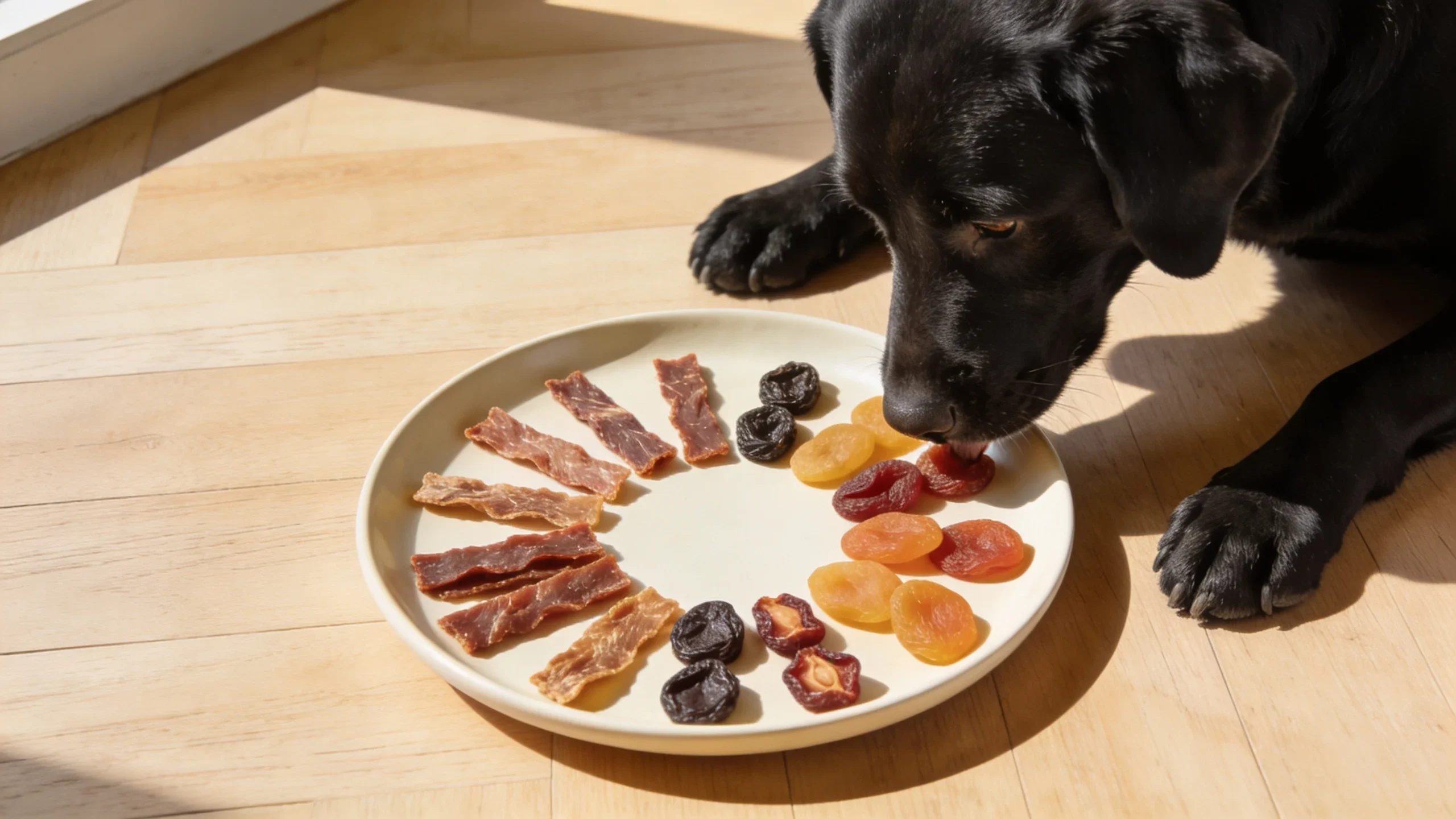
Activity level impacts calorie allocation. Working dogs and agility competitors can handle higher-calorie treats like beef liver (135 calories per ounce). Sedentary or overweight dogs do better with sweet potato (80 calories per ounce) or pollack skin (90 calories per ounce).
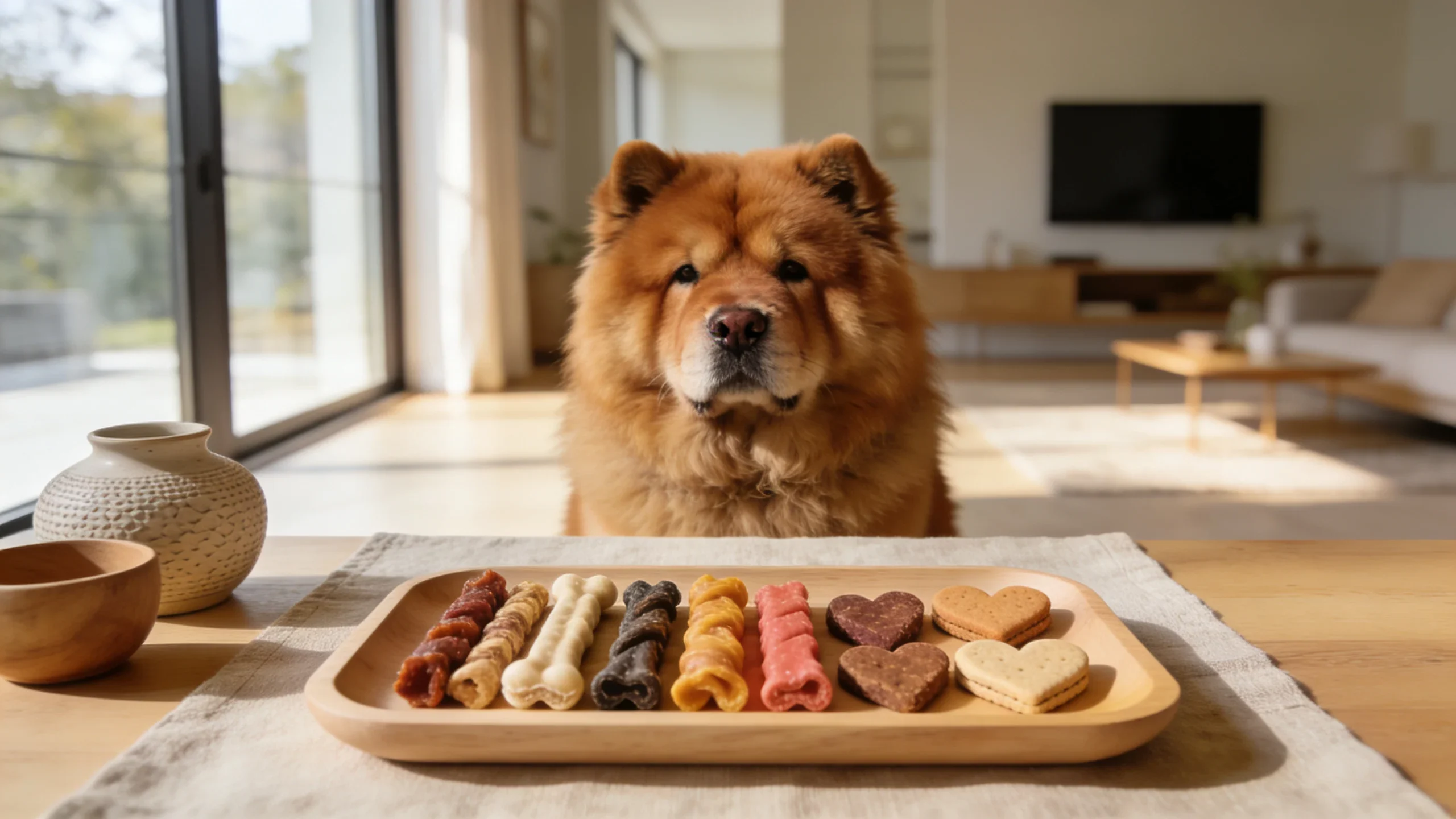
For dogs new to Korean treats, starting with variety makes the most sense. Our Korean Treat Box For Dogs includes multiple single-ingredient options—sweet potato, chicken, fish skin, and beef liver—so you can identify preferences and monitor for sensitivities before committing to larger quantities.
Training requires small, fast-to-eat treats. Korean chicken breast jerky tears into pea-sized pieces that deliver flavor without filling your dog up mid-session. Reserve larger chews like whole sweet potato slices for crate time or quiet enrichment.
Always check country of origin and processing location. "Made in Korea" means both sourcing and manufacturing occurred under Korean food safety standards. "Distributed by [U.S. Company]" tells you nothing about where the product was actually made—check the fine print.
Are Korean Dog Treats Safe? Risks and How to Prevent Them
Korean dog treats have a strong safety record when sourced from reputable manufacturers, but understanding the risk profile helps you make smarter decisions.
Choking hazards exist with any treat. Treats account for approximately 8% of emergency choking cases according to Veterinary Emergency and Critical Care Society data. Supervise your dog with any new texture, and break treats into appropriate sizes for aggressive chewers. The thumbnail test works: if you can't dent the treat with your thumbnail, it's too hard.
Allergic reactions can occur with any new food. The American College of Veterinary Dermatology reports that 10-15% of dogs have food sensitivities, with proteins being the most common trigger. Introduce one new Korean treat ingredient every 5-7 days. Watch for itching, ear infections, digestive upset, or excessive paw licking. Single-ingredient treats make the culprit obvious.
Calorie overfeeding is the most common mistake. A 50-pound dog eating approximately 1,000 calories daily has a 100-calorie treat budget. Three ounces of beef liver treats would exhaust that entirely. Weigh treats initially to calibrate portions, then reduce meal size accordingly if you're giving substantial treat quantities.
Organ meat treats like liver are nutrient-dense but high in phosphorus. Dogs with diagnosed kidney disease should limit liver treats to occasional use—consult your veterinarian about appropriate treat types if your dog has chronic health conditions.
For more guidance on building a safe treat rotation, see our dog treat safety and portion guide.
Frequently Asked Questions
Are Korean dog treats safe for all dog breeds?
Korean dog treats are safe for all breeds when properly sized and introduced gradually. Single-ingredient formulations make them particularly suitable for allergy-prone breeds like Bulldogs, Golden Retrievers, and Terriers. Adjust treat size to body weight—break large pieces for toy breeds under 10 pounds, and supervise brachycephalic breeds like Pugs or Frenchies who may struggle with certain textures due to their compressed airways.
What are the most popular Korean dog treat ingredients?
Goguma (sweet potato) dominates Korean dog treats, followed by chicken breast, pollack fish skin, beef liver, and anchovy. These ingredients reflect Korean food culture's emphasis on recognizable, whole-food components. Duck and pumpkin are gaining popularity as alternative options for dogs with sensitivities. Most Korean treats contain a single ingredient—that's by design, not coincidence.
How often should I give my dog Korean treats?
Follow the 10% calorie rule: treats should not exceed 10% of your dog's daily caloric intake. For a 30-pound dog eating 700 calories daily, that's 70 calories from treats—roughly 1 ounce of Korean chicken jerky or 6-8 small sweet potato slices. Use treats for training, rewards, or enrichment rather than meal supplementation. Most dogs do well with small treats 2-3 times daily within that calorie ceiling.
Where can I buy authentic Korean dog treats?
Purchase Korean dog treats from specialty pet retailers, Korean grocery stores with pet sections, or directly from importers like Pupsday who work with verified Korean manufacturers. Avoid third-party marketplace sellers without traceable sourcing. Check packaging for a "Made in Korea" designation, manufacturer contact information, and full FDA-compliant labeling. Authentic Korean treats typically cost $8-15 per 4-ounce package—quality ingredients and import logistics are priced into that range.
Are Korean dog treats grain-free?
Most traditional Korean dog treats are naturally grain-free, built around single proteins or vegetables like sweet potato. Some newer Korean formulations include rice or oats as binders—always read the ingredient list. If grain-free is non-negotiable for your dog's diet, stick with pure single-ingredient options: chicken, fish skin, sweet potato, or beef liver. These contain nothing else by definition.
Can Korean dog treats help manage my dog's food allergies?
Korean dog treats support food allergy management through elimination diets. The single-ingredient format isolates variables—if your dog reacts to chicken, you can safely trial Korean duck or fish treats as alternatives. Veterinary nutritionists recommend 8-12 weeks of feeding only novel proteins and carbohydrates during elimination protocols. Korean treats support this process cleanly because there's no cross-contamination from multi-ingredient recipes or shared processing lines with common allergens.
What is the shelf life of Korean dog treats?
Properly stored Korean dog treats last 12-18 months unopened due to low moisture content (typically 10-12%). Once opened, aim to finish within 30-60 days for optimal freshness. Store in airtight containers in cool, dry locations away from direct sunlight. Refrigeration extends shelf life for opened fish-based treats. Discard any treat that develops off-odors, visible mold, or unusual texture changes. The dehydration process preserves Korean treats naturally—no chemical preservatives needed.
The Bottom Line
Korean dog treats deliver genuine nutritional value through single-ingredient transparency, low-temperature processing, and whole-food ingredients rooted in Korean food culture. Sweet potato, lean proteins, and fish skin provide measurable benefits—beta-carotene for immunity, omega-3s for skin and coat, fiber for digestion—without glycerin fillers, artificial preservatives, or mystery by-products. Prioritize sourcing from verified manufacturers, match treat type to your dog's size and health profile, and supervise treat time. Explore Pupsday's full Korean treat collection to find single-ingredient options made by manufacturers we've personally vetted in Korea.
Sources
- American Pet Products Association (APPA) National Pet Owners Survey
- Tufts University Cummings School of Veterinary Medicine – Pet Food Ingredient Lists
- USDA FoodData Central – Sweet Potato Nutritional Data
- Veterinary Dermatology – Omega-3 Fatty Acids and Canine Skin Health
- BMC Veterinary Research – Food Allergies in Dogs
- The Clean Label Project – Pet Food Testing
- AAFCO – Association of American Feed Control Officials
- Veterinary Emergency and Critical Care Society
- American College of Veterinary Dermatology
Next step
Want help finding the right treats?
Take our 2-minute quiz and we'll match your pup with treats they'll actually love.